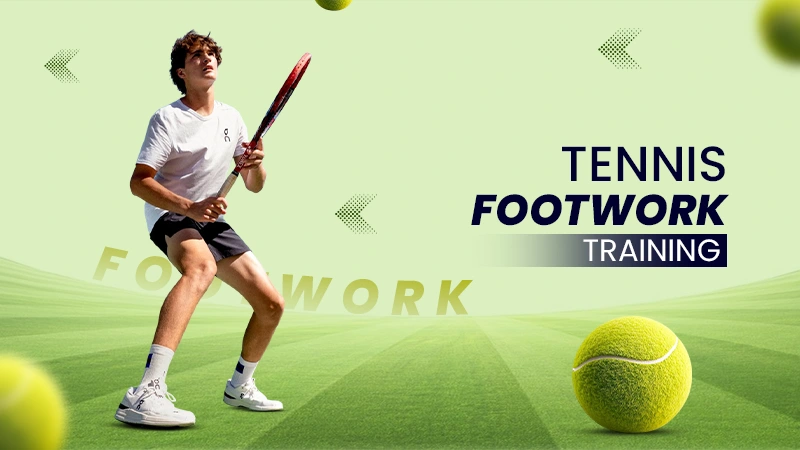
Footwork is often described as the foundation of great tennis, and for good reason. Every shot begins with movement, and even the most technically gifted players struggle if they cannot reach the ball in the right position. Good footwork allows players to stay balanced, recover quickly, and hit with greater accuracy and power throughout a rally.
One of the most effective ways to develop these skills is by training with a tennis ball machine. Unlike traditional practice sessions that depend on a coach or hitting partner, a ball machine delivers consistent feeds that allow players to focus entirely on movement. Whether you are learning the basics or preparing for competitive matches, using a tennis ball machine can help you build faster, more efficient footwork through structured repetition.
In this guide, you’ll learn how to improve footwork using a tennis ball machine, why it works, and which training methods deliver the best results.
Why Footwork Matters More Than Most Players Realize
Many players spend hours improving their forehand or backhand while paying little attention to how they move around the court. However, strong footwork is what allows those strokes to work consistently under pressure.
When players move efficiently, they reach the ball earlier, maintain better balance, and recover more quickly after each shot. This not only improves stroke quality but also reduces unnecessary effort during long rallies. Better movement means you spend less time chasing the ball and more time controlling the point.
Why a Tennis Ball Machine Is Perfect for Footwork Training
A tennis ball machine creates an ideal environment for developing movement because every feed is consistent. Instead of adapting to different shots from a practice partner, players can concentrate on positioning, timing, and recovery.
Most modern tennis ball machines allow coaches and players to adjust ball speed, spin, feed frequency, and shot placement. These features make it easy to create progressive drills that challenge movement without overwhelming the player. As confidence grows, the difficulty can be increased to simulate more demanding match situations.
Start Every Drill with Proper Court Positioning
Good footwork begins before the first ball is hit. Players should stand in an athletic ready position with slightly bent knees, relaxed shoulders, and their weight balanced on the balls of their feet. This posture allows quick movement in every direction and prepares the body for the next shot.
Equally important is the split step. Timing this small hop just before the ball is released helps players react faster and push explosively toward the incoming shot. Although it is a simple movement, mastering the split step often leads to noticeable improvements in court speed and overall balance.
Build Better Movement Through Repetition
One of the greatest strengths of a tennis ball machine is its ability to repeat the same drill over and over without losing consistency. This allows players to develop movement patterns that eventually become automatic.
Alternating balls between the forehand and backhand sides encourages smooth lateral movement, while changing the depth of the feed teaches players to move confidently both forward and backward. Over time, these repeated movements improve coordination, balance, and court awareness without requiring players to think consciously about every step.
Focus on Recovery Between Shots
Footwork is not just about reaching the ball. The ability to recover after each stroke is equally important.
After making contact, players should immediately return toward their ideal court position while preparing for the next feed. Training this sequence repeatedly with a tennis ball machine helps develop efficient recovery habits that naturally transfer into competitive matches. Players who recover quickly often have more time to prepare for the next shot, leading to better consistency during rallies.
Increase the Challenge as You Improve
As movement becomes more comfortable, practice should become more demanding. Many advanced tennis ball machines include random oscillation and programmable drills that send balls to different areas of the court.
Because players cannot predict where the next ball will land, they must react more naturally while maintaining proper balance and positioning. These unpredictable drills encourage faster decision-making and improve overall court coverage, making practice sessions feel much closer to real match conditions.
Improve Fitness While Refining Your Technique
Footwork training also develops physical fitness. Continuous movement during extended rallies improves endurance, agility, coordination, and lower-body strength while reinforcing proper movement mechanics.
Rather than rushing through drills, players should focus on maintaining quality footwork throughout the entire session. Consistent technique under fatigue is one of the key differences between recreational players and experienced competitors.
Avoid Common Footwork Mistakes
Many players unknowingly slow their progress by developing poor movement habits. Standing flat-footed between shots, failing to recover after each stroke, or rushing toward the ball without proper balance can all reduce consistency.
Training regularly with a tennis ball machine provides an excellent opportunity to identify these issues and correct them through repetition. With guidance from a coach or by reviewing practice sessions, players can gradually replace inefficient habits with smoother, more effective movement.
Why Coaches Recommend Tennis Ball Machines
Coaches value tennis ball machines because they allow more time for teaching and less time for feeding balls manually. Instead of concentrating on delivering every shot, coaches can carefully observe player movement, identify technical flaws, and provide immediate feedback.
This creates a more productive learning environment where players receive consistent repetition while benefiting from professional coaching. The combination of structured drills and expert instruction often leads to faster improvement than traditional practice alone.
Learning how to improve footwork using a tennis ball machine is one of the most effective ways to build a stronger all-around tennis game. Consistent ball feeds, customizable drills, and repetitive movement patterns help players develop better balance, quicker reactions, and more efficient court coverage.
Although a tennis ball machine cannot completely replace live match play, it is an outstanding training tool for refining movement and reinforcing good habits. When combined with professional coaching and regular competitive practice, it provides players of every skill level with a reliable path toward faster footwork, improved consistency, and greater confidence on the court.